Get Drywall Patching
Drywall patching services help property owners repair holes, cracks, and damage in walls and ceilings through skilled work by local contractors.
Drywall patching is a common solution for repairing minor damages, holes, or cracks that can occur in properties over time. Property owners in the area often seek reliable drywall services to maintain the appearance and integrity of their walls, whether for ongoing maintenance or preparing spaces for new occupants. Exploring local contractors can help ensure that the work is handled efficiently with quality results, making it easier to plan projects with confidence.
By comparing options from nearby service providers, property owners can find experienced professionals suited to their specific needs. Local contractors specializing in drywall patching can address a variety of repair challenges, helping to restore walls quickly and seamlessly. Continuing to read can provide more insight into how to connect with skilled service providers in the area to support your project goals.
- Small Wall Repairs - homeowners may need drywall patching when fixing minor holes or dents in interior walls.
- Water Damage Restoration - property owners require drywall patching after leaks or floods cause damage to interior surfaces.
- Holes from Fixtures - replacing or removing light switches, outlets, or wall-mounted items often leaves behind holes needing patching.
- Crack Repair - drywall cracks from settling or impacts may require professional patching to restore wall integrity.
- Accident or Impact Damage - incidents like door knobs or furniture hitting walls can create holes that local contractors can repair.
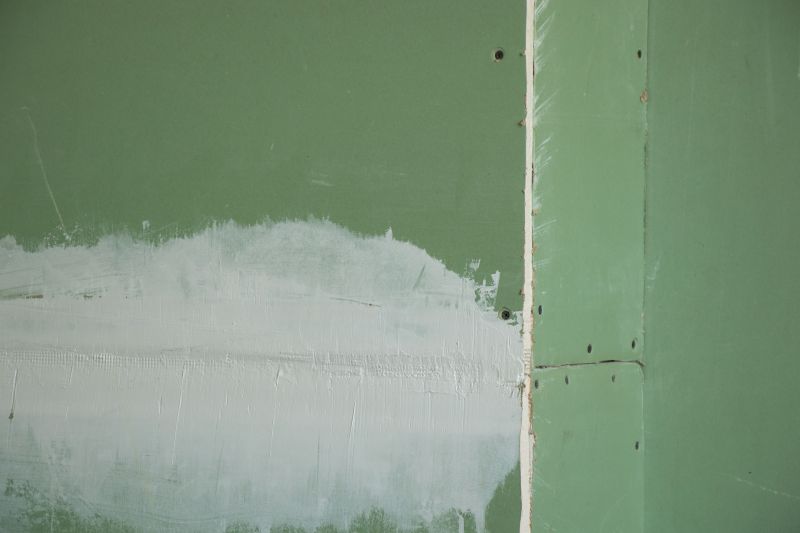
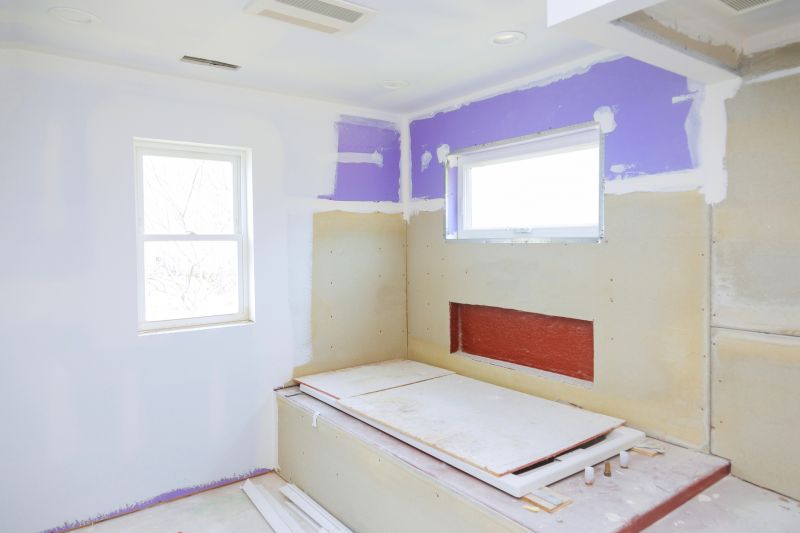
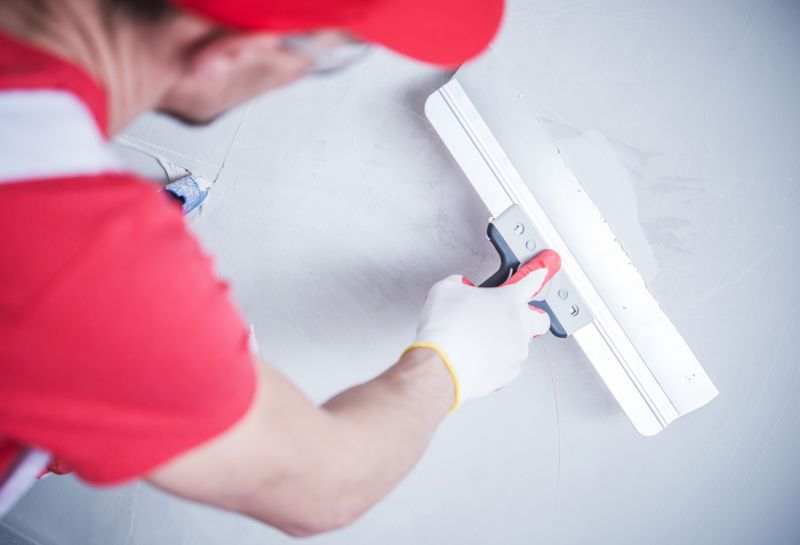
Drywall patching services involve repairing holes, cracks, dents, or other damage to existing drywall surfaces. This process typically includes preparing the damaged area, applying patching compounds or drywall patches, and sanding the surface to ensure a smooth finish. The goal is to restore the wall’s appearance and structural integrity, making the repair seamless with the surrounding surface. Skilled service providers use proper techniques to ensure that patches blend well with the existing drywall, resulting in a clean, professional look.
These services help address a variety of common problems that can occur over time or due to accidents. For instance, holes from hanging pictures, door knobs, or furniture can leave unsightly marks. Cracks may develop from settling or moisture issues, and dents or gouges might result from impacts. Patching drywall also helps cover up previous repairs or damage caused by water leaks, mold, or other issues that compromise the wall’s surface. Proper patching not only improves appearance but can also prevent further deterioration or damage.
Drywall patching is frequently needed in residential properties, including single-family homes, apartments, and condominiums. It is also common in commercial buildings such as offices, retail spaces, and rental properties. These services are suitable for any property that has sustained damage or shows signs of wear and tear. Whether it’s a small hole in a bedroom wall or extensive damage in a commercial space, experienced contractors can handle various patching needs to restore the wall’s appearance and function.
Homeowners often seek drywall patching services when preparing a space for sale, after remodeling projects, or following accidental damage. It’s a practical solution for fixing imperfections that detract from a home’s overall look. Property managers and landlords also rely on drywall patching to maintain the condition of rental units and common areas. By connecting with local contractors who specialize in drywall repair, property owners can efficiently address damage and keep their walls looking well-maintained and presentable.
The overview below groups typical Drywall Patching projects into broad ranges so you can see how smaller, mid-sized, and larger jobs often compare in your area.
In many markets, a large share of routine jobs stays in the lower and middle ranges, while only a smaller percentage of projects moves into the highest bands when the work is more complex or site conditions are harder than average.
Smaller Repairs - Typical costs for minor drywall patching jobs range from $100 to $300. Many routine repairs fall within this range, covering small holes or cracks in walls and ceilings.
Moderate Patching Projects - Larger patches or multiple areas can cost between $250 and $600. Most projects of this size are straightforward and fall into this middle range, though complexity can push costs higher.
Large or Complex Repairs - Extensive patching involving significant damage or multiple rooms can range from $600 to $1,500. Fewer projects reach this tier, but larger, more involved jobs can exceed these amounts.
Full Wall or Section Replacement - Complete drywall replacement or major renovations typically start around $2,000 and can go beyond $5,000. These are less common and usually reserved for extensive damage or remodeling projects handled by local contractors.
Actual totals will depend on details like access to the work area, the scope of the project, and the materials selected, so use these as general starting points rather than exact figures.
Ceiling Repair and Texturing - Local contractors experienced in drywall patching often handle ceiling repairs and texturing to match existing finishes.
Wall Crack Repair - Skilled service providers can address wall cracks and small holes, requiring similar patching techniques and tools as drywall repair.
Interior Wall Renovations - Renovation projects involving interior walls often include drywall patching to prepare surfaces for painting or new finishes.
Soundproofing Installations - Installing soundproofing materials may involve cutting and patching drywall to accommodate new panels or insulation.
Fire Damage Restoration - Fire damage repair frequently involves removing and replacing damaged drywall sections, requiring precise patching skills.
Bathroom Wall Repairs - Moisture-resistant drywall repairs in bathrooms involve patching and sealing to restore wall integrity and prevent mold growth.
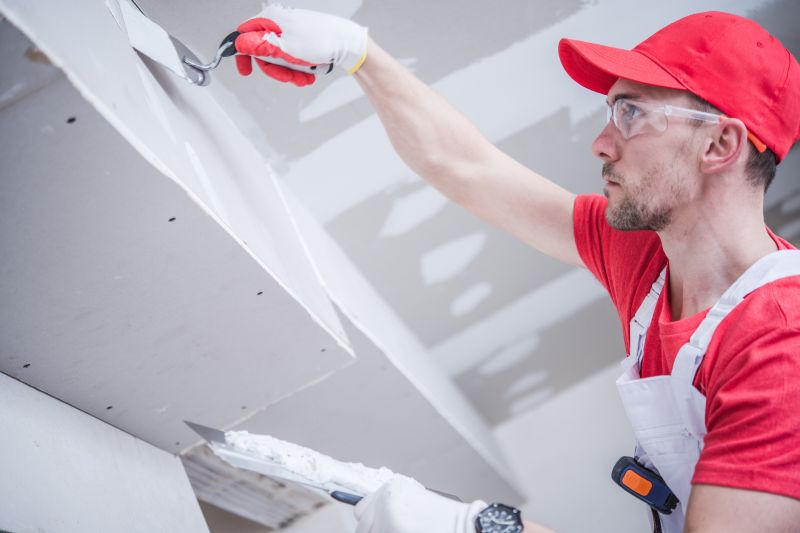
When comparing drywall patching service providers, it’s important to consider their experience with similar projects. Homeowners should inquire about how long a contractor has been working on drywall repairs and whether they have handled projects comparable in size and complexity. A contractor with a track record of successfully completing repairs similar to what is needed can often offer more reliable results, as they are familiar with common challenges and effective solutions. This background helps ensure that the chosen service provider has the practical knowledge to deliver quality work tailored to the specific needs of the home.
Clear, written expectations are essential when selecting drywall patching professionals. Homeowners should seek detailed descriptions of the scope of work, including the methods to be used, the materials involved, and what the finished repair will look like. Having this information in writing helps prevent misunderstandings and provides a baseline for evaluating the quality of work. It’s also a good idea to ask whether the service provider can provide a written estimate or proposal, outlining the steps involved and any potential costs, to ensure transparency and alignment before work begins.
Reputation and communication are key factors in choosing a reliable service provider. Homeowners should look for local contractors with reputable references or reviews that attest to their professionalism and quality of work. Good communication skills are equally important; a contractor who listens carefully, responds clearly, and keeps the homeowner informed throughout the process can help ensure the project proceeds smoothly. Remember, this site introduces homeowners to local options for drywall patching, but it does not perform the work itself-reviewing these qualities can help identify service providers who are well-equipped to handle the job effectively.
Property owners use Drywall Patching services for practical projects around their homes and businesses. This guide focuses on everyday jobs and straightforward project options.
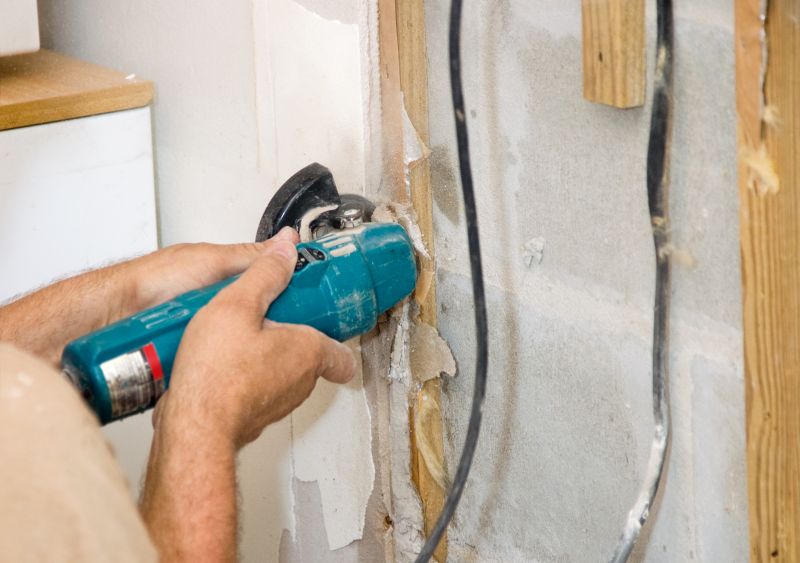
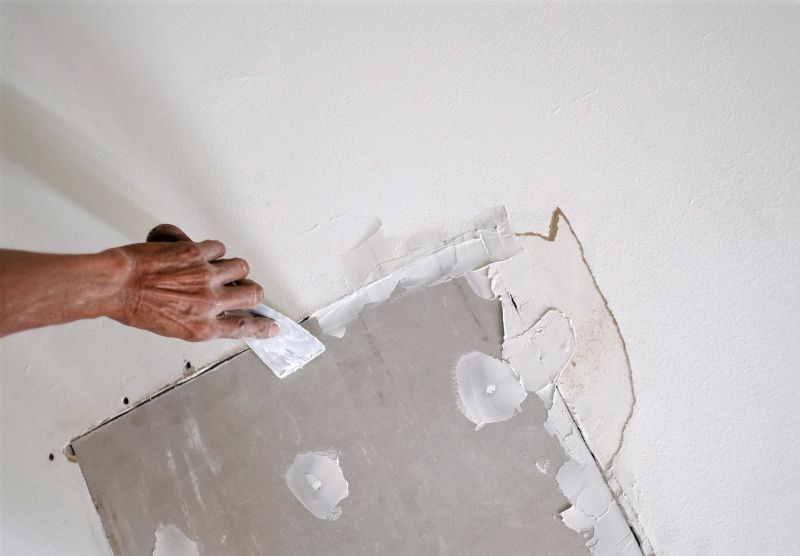
Drywall patching is a common need for property owners dealing with everyday issues such as nail holes, minor cracks, or accidental dents in walls. Whether preparing a room for new paint, repairing damage from everyday wear and tear, or fixing small holes left by hanging pictures or shelves, local contractors can provide quick and effective patching services to restore the wall’s smooth surface. These repairs help maintain the appearance of a home or business and prevent further damage that could occur if left unattended.
Property owners in the area might also seek drywall patching when addressing issues caused by settling, moisture, or minor impacts. Small cracks or holes can sometimes appear over time, making walls look less tidy or affecting interior aesthetics. Local service providers are equipped to handle these common repairs efficiently, helping to keep walls in good condition and ready for the next stage of finishing or painting projects.
What types of drywall damage can be repaired with patching services? Drywall patching services can address issues such as holes, cracks, dents, and water damage to restore the surface's appearance and integrity.
Is drywall patching suitable for both small and large repairs? Yes, drywall patching can be used for a wide range of repair sizes, from minor dents to larger holes or damaged areas.
What materials are typically used for drywall patching? Contractors often use joint compound, drywall patches or mesh, and tape to ensure a smooth, seamless repair.
Can drywall patching be done to match existing wall textures? Yes, experienced service providers can blend patched areas to match the surrounding wall textures for a consistent finish.
How do local contractors ensure a high-quality drywall patching job? They typically prepare the surface thoroughly, apply multiple layers of compound, and sand the area for a smooth, professional appearance.
Patch Wall Damage - When minor dents or holes appear in walls from everyday accidents, local contractors can provide effective drywall patching to restore a smooth surface.
Prepare for Painting - Before repainting a room, drywall patching helps create an even base by repairing imperfections and ensuring a professional finish.
Fix Water Damage - After a leak or flood, drywall patching services can address water-stained or damaged areas to improve the appearance and integrity of interior walls.
Update Interior Walls - When remodeling or redecorating, drywall patching allows property owners to seamlessly cover up old fixtures or unwanted holes for a refreshed look.
If you are thinking about Drywall Patching for a property, this guide is meant to help you understand the work, the typical project types, and how different options might fit your plans.
When you are ready, you can use the quote form on this page to share a few details about your project. From there, local pros can review the basics and respond with options that match what you have in mind.